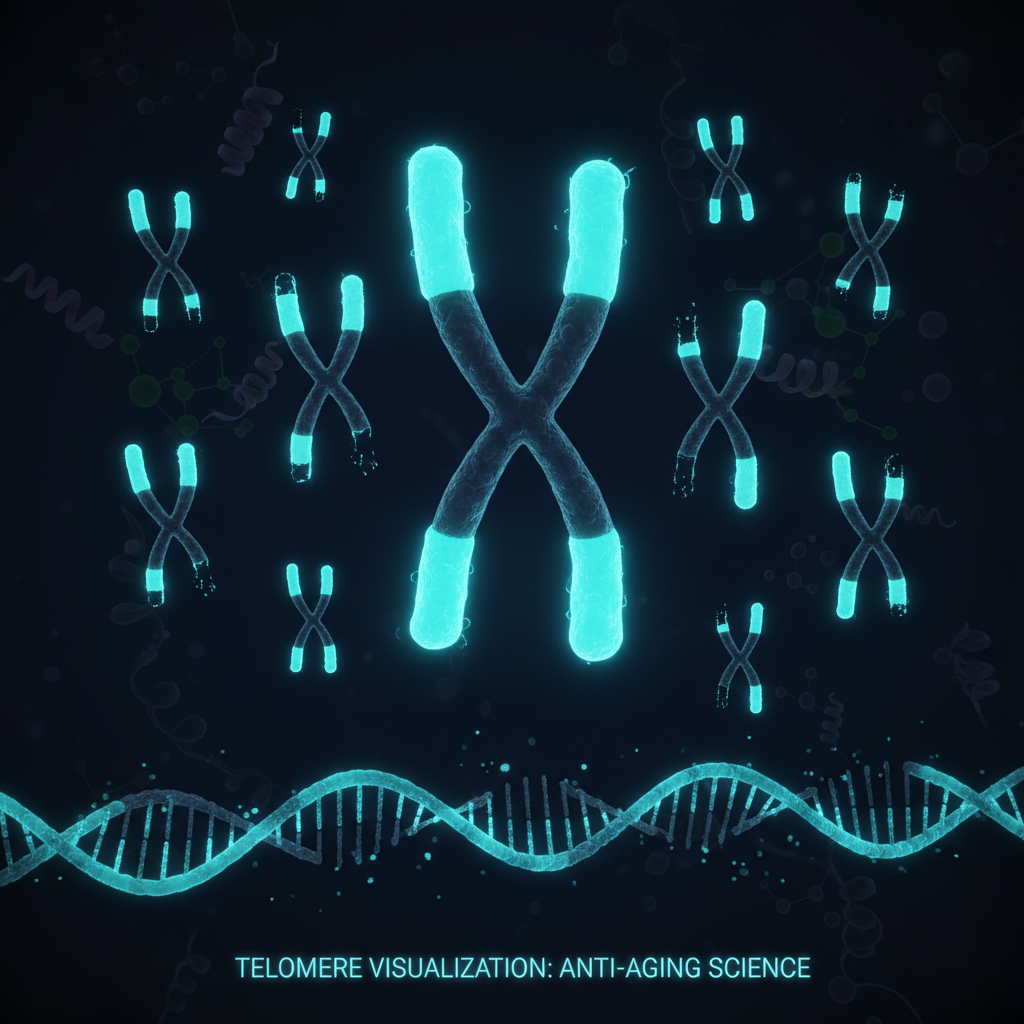
Telomeres are the protective caps at the ends of chromosomes, consisting of repetitive DNA sequences and associated proteins. Every time a cell divides, the telomeres shorten, eventually reaching a critical length that triggers replicative senescence—the Hayflick limit. This process is a fundamental aspect of cellular aging and has been a primary focus of geroscience since the Nobel-winning discovery of telomerase. Research-use-only studies often investigate telomerase activators and their ability to maintain telomere length in model organisms. In mice, the genetic reactivation of telomerase has been shown to reverse certain age-related phenotypes, particularly in tissues with high turnover rates like the gut and skin. Canadian researchers are exploring the role of compounds like TA-65 and other small molecules that purportedly transiently upregulate the TERT (telomerase reverse transcriptase) gene. The balance is delicate; while telomere maintenance is necessary for stem cell function and tissue regeneration, uncontrolled telomerase activity is a hallmark of oncogenesis. Therefore, current research focuses on 'transient' or 'modest' activation strategies. Laboratory models also look at the 'telomere-to-mitochondria' axis, where telomere dysfunction leads to the suppression of PGC-1alpha, thereby linking telomere shortening directly to mitochondrial decline. By studying these interactions in in vitro human cell lines, scientists aim to map the tipping points where telomere length becomes a driver of systemic aging. Quantification of telomere length through qPCR or Flow-FISH remains a standard metric in these longitudinal research studies. This product is intended for laboratory research use only and is not for human consumption or medical use.
Research 6 min read Dr. Elena Rossi
Telomere Maintenance and the Limits of Cellular Replication
Exploring the research behind telomerase activation and the biological impact of telomere shortening in aging cell populations.

Reviewed by the EleV8 Research Team
Disclaimer
This content is for research and educational purposes only and does not constitute medical advice, diagnosis, or treatment. Nothing here is a recommendation to use any compound. Compounds referenced are sold for research use only (RUO) and are not approved by Health Canada for human consumption. Do your own research and consult a qualified professional before making any decisions. Canada only · 21+.
#telomere research#telomerase activation#Hayflick limit#cellular aging study#TERT gene research