News 7 min read EleV8 Privacy Desk

Navigating PIPEDA: Data Privacy for the Canadian Citizen Researcher

An in-depth look at how Canada's Personal Information Protection and Electronic Documents Act (PIPEDA) applies to personal biometric data and self-quantification platforms.
Navigating PIPEDA: Data Privacy for the Canadian Citizen Researcher

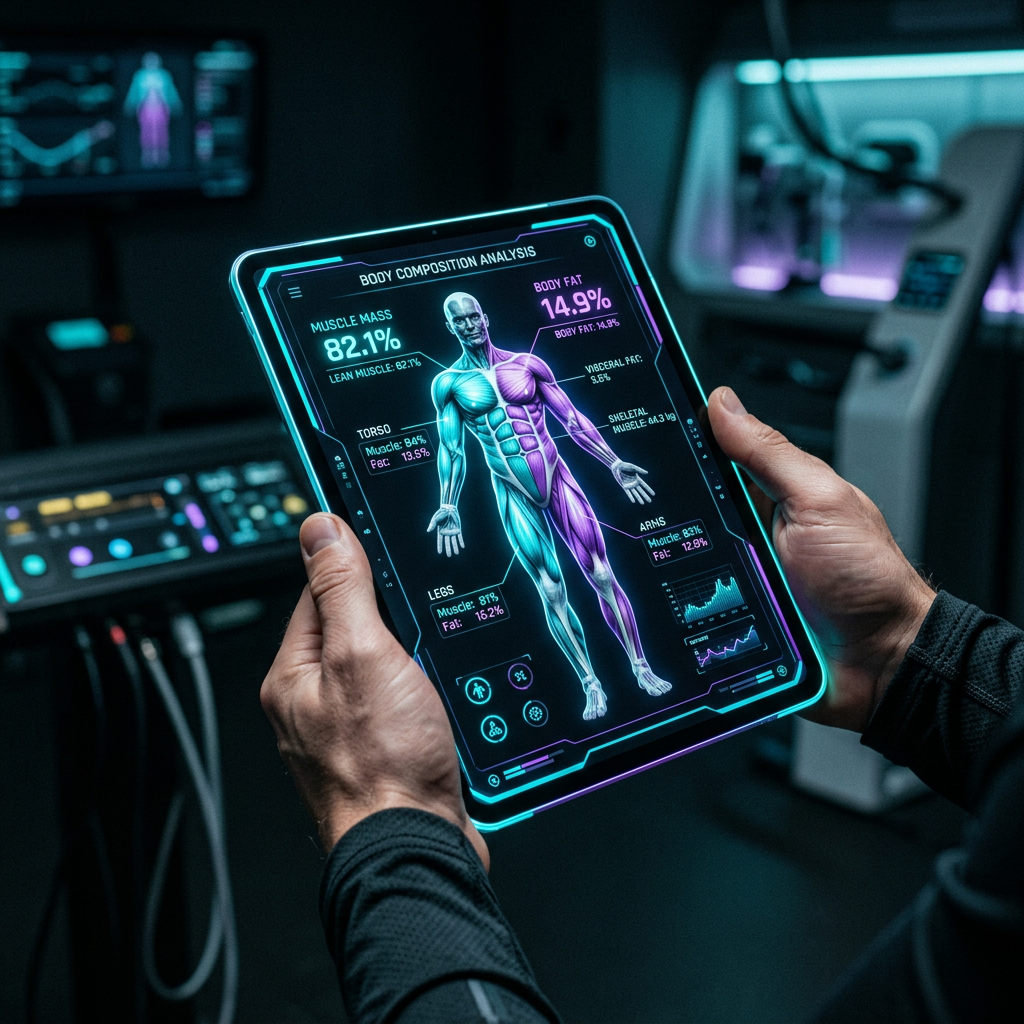
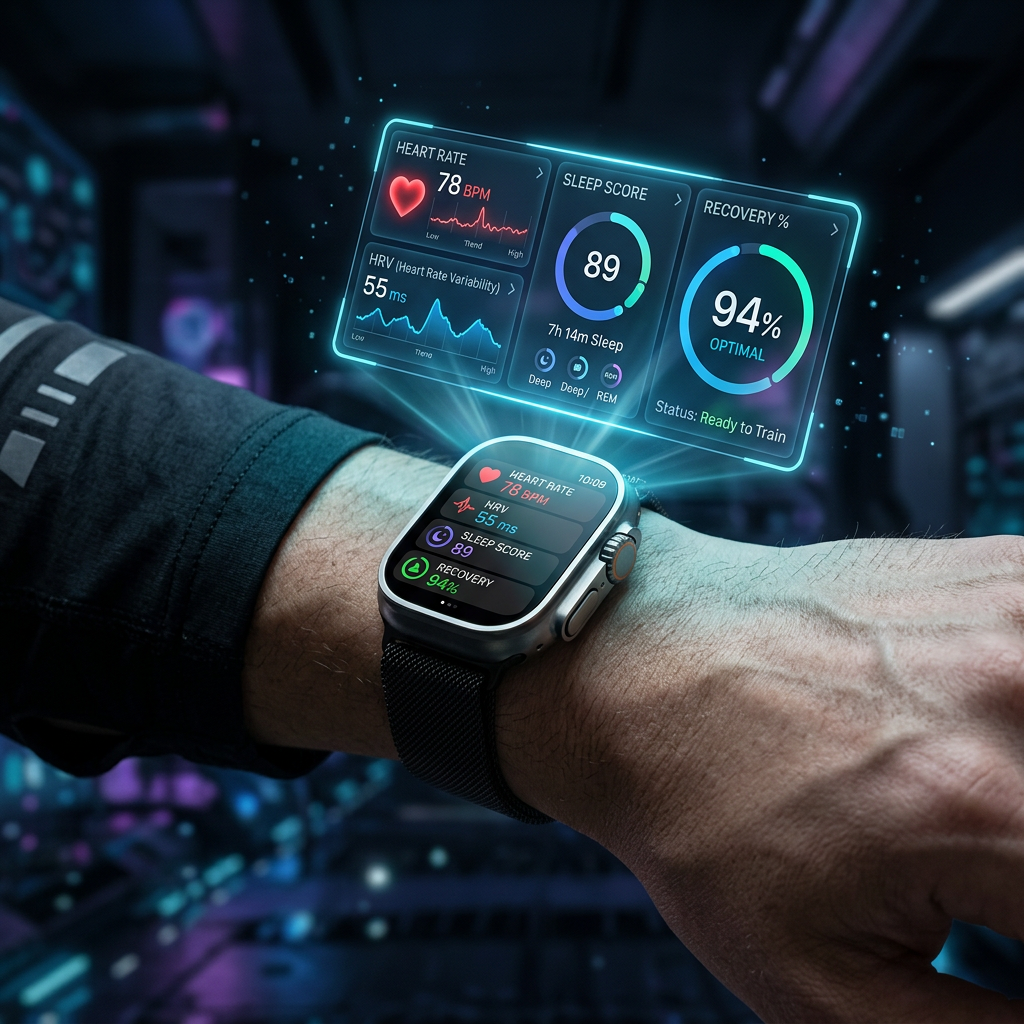
Navigating PIPEDA: Data Privacy for the Canadian Citizen Researcher. In the digital age, biometric data is the most personal currency an individual possesses. For Canadians engaged in self-quantification and personal research, understanding the legal framework surrounding this data is essential. The Personal Information Protection and Electronic Documents Act (PIPEDA) is the federal privacy law for private-sector organizations in Canada. It sets the ground rules for how businesses must handle personal information in the course of commercial activity. For users of research platforms like EleV8, PIPEDA provides a layer of protection regarding how their health-related data is collected, used, and disclosed. One of the trending topics in the Canadian research community is 'Data Sovereignty.' This is the concept that the researcher should have full control and ownership over their biometric datasets. Under PIPEDA, organizations must generally obtain an individual's consent when they collect, use, or disclose that person's personal information. For citizen scientists, this means transparency is key. When you use a wearable device or a data analysis tool, you are generating sensitive information that could potentially be used for third-party marketing or insurance adjustments if not properly protected. The current movement in the Canadian QS community is toward platforms that prioritize 'Privacy by Design.' This involves data minimization, where only the necessary data is collected for the research purpose, and robust encryption. As we move toward more open science models, where researchers share anonymized data to help the broader community, the intersection of PIPEDA and data sharing becomes complex. It is vital for Canadian researchers to audit the privacy policies of their tools to ensure that their research-use-only data remains confidential and secure. Empowering the individual with their own data is the goal, but it must be done within a framework that respects the stringent privacy standards expected by Canadians. This information is provided for research and educational purposes only and is not intended to diagnose, treat, cure, or prevent any disease.

Reviewed by the EleV8 Research Team

Disclaimer

This content is for research and educational purposes only and does not constitute medical advice, diagnosis, or treatment. Nothing here is a recommendation to use any compound. Compounds referenced are sold for research use only (RUO) and are not approved by Health Canada for human consumption. Do your own research and consult a qualified professional before making any decisions. Canada only · 21+.

#PIPEDA health data#Canadian privacy law#biometric privacy#data sovereignty#health data security